I view creative direction as a bridge between institutional ambition and audience engagement. By fostering a culture of collaborative alignment between stakeholders, researchers, and designers, I transform fragmented ideas into a unified, high-impact brand voice. The following materials demonstrate how I leverage audience insights and best practices to deliver visually compelling narratives that advance the research and teaching missions of complex, decentralized colleges.
Click the thumbnails to view the materials.
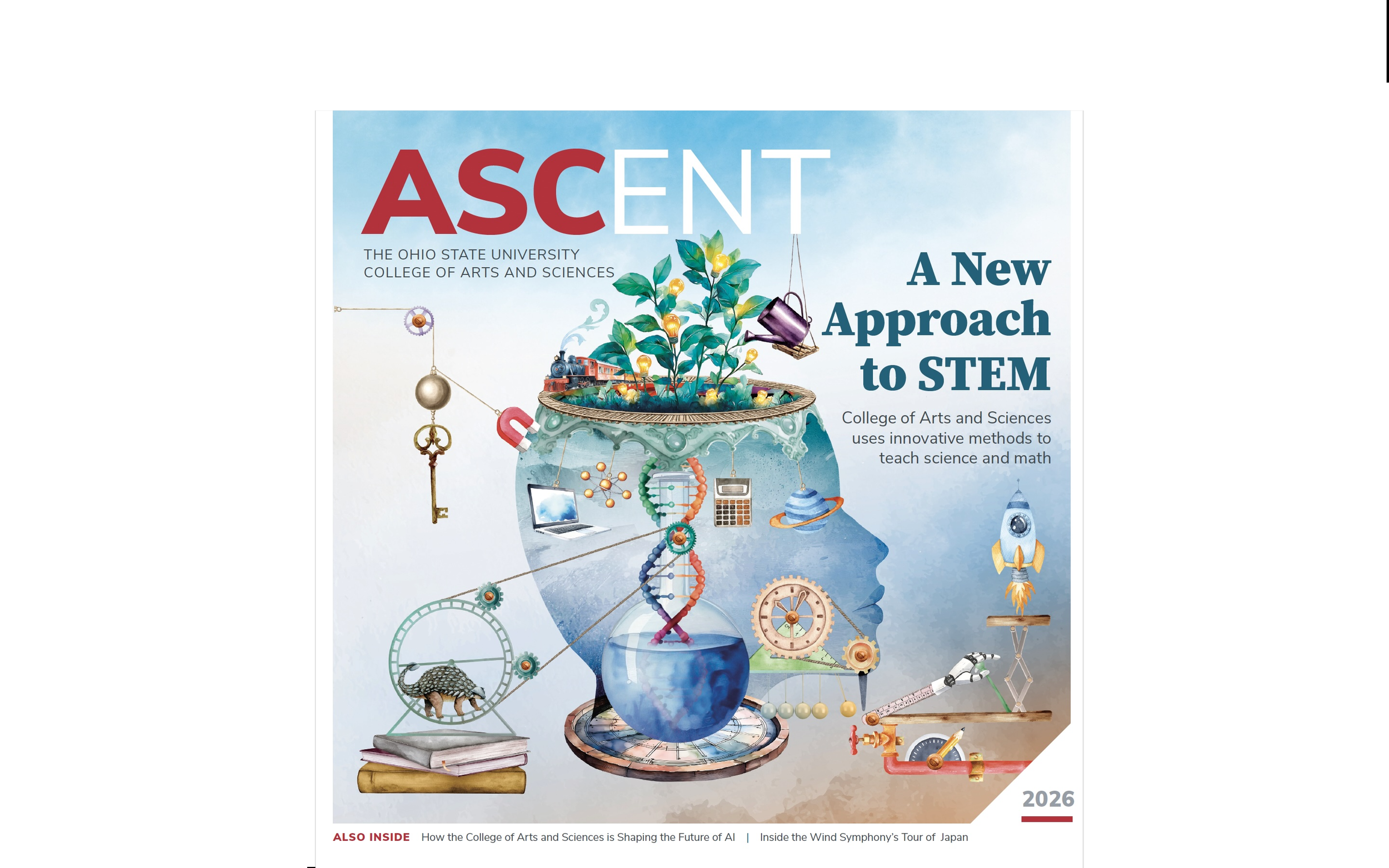
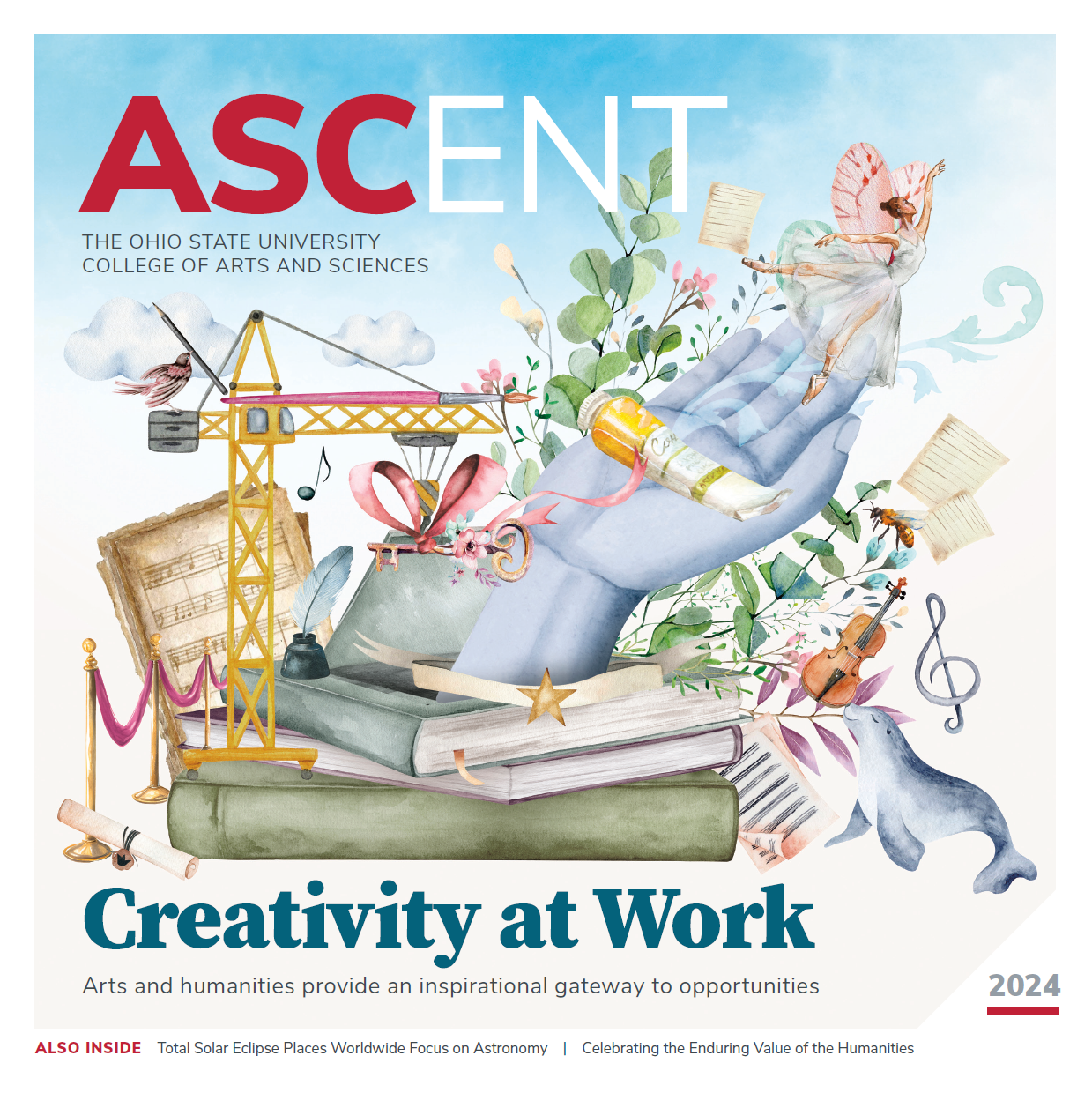
Case Study: Institutional Stewardship & The Evolution of ASCENT Magazine
The Challenge: Navigating Structural Transformation & Post-Pandemic Stagnation
My history with the College of Arts and Sciences spans two pivotal eras of institutional transformation. In 2009, I was part of the inaugural team tasked with unifying five independent colleges into one cohesive entity. During this period of austerity and reorganization, I helped launch ASCENT magazine as a tool for cultural integration. Returning to the college in 2022 as a senior leader, I found the publication on hiatus due to the pandemic, with a visual identity and content strategy that had remained static for over a decade.
The Strategy: Data-Driven Reimagination
To revitalize the college’s flagship publication, I initiated a comprehensive discovery phase. I conducted cross-constituent listening sessions and issued alumni surveys to identify the "gap" between current brand perception and audience expectation. The data was clear: leadership required deeper divisional storytelling, while alumni sought a bold, modern aesthetic that stood out in a saturated media landscape.
Executive Decision-Making & Resource Optimization:
Fiscal Responsibility: In response to post-pandemic budget constraints, I made the strategic decision to transition ASCENT from a quarterly to a high-impact annual publication. This allowed for higher production values and a more intentional distribution strategy.
Thematic Architecture: I developed a multi-year content roadmap. Each issue now serves as a "divisional anchor," systematically highlighting the college’s three distinct divisions to ensure equitable visibility across the enterprise.
A Research-Informed Framework: I modernized the content strategy by aligning all storytelling with six strategic pillars that define the Arts and Sciences experience: Learning Context, Emotional & Social Impact, Skills & Tools, and Outcomes.
The Impact: A Legacy Reimagined
Leading the rebirth of a publication I helped create 15 years ago has been a hallmark of my career in stewardship. By 2027, we will conclude our inaugural divisional sequence, transitioning into a thematic storytelling model designed to weave a common thread through our diverse academic landscape. This project serves as a blueprint for how I approach institutional challenges: honoring the foundation of the past while aggressively innovating for the future.
College of Law JD Recruitment Strategy
At the Moritz College of Law, I spearheaded a comprehensive brand revitalization to modernize a legacy recruitment ecosystem. Recognizing that the existing collateral lagged behind current market expectations, I initiated a data-driven discovery phase—synthesizing qualitative focus group insights with quantitative market research on Generation Z behaviors.
This effort culminated in a sophisticated suite of integrated marketing materials centered on the 'Create The Journey You Won’t Outgrow' campaign. By pivoting to aspirational messaging and bold, inclusive visual storytelling, we successfully aligned the college’s narrative with the values of prospective students. To ensure maximum impact, I implemented a segmented communications strategy that delivered tailored, audience-centered content across the entire recruitment lifecycle.



CASE STUDY: Organizational Design & Creative Integration
Modernizing a Legacy Production Model for Brand Impact
The Opportunity- For nearly two decades, the Arts and Sciences Studio operated within the Technology unit (ASC Tech), focused primarily on instructional media. As the landscape of higher education shifted toward digital-first storytelling, a strategic gap emerged. Video content—the college’s most powerful marketing tool—was being produced in a technical silo, disconnected from the central brand strategy, recruitment goals, and philanthropic narratives of the university.
The Strategic Intervention-I authored and led a comprehensive proposal to restructure the college’s media ecosystem. The goal was twofold: to centralize brand governance within Marketing and Communications while optimizing instructional support within the Office of Distance Education.
Executive Pillarsof the Transition:
Strategic Alignment-Unified video and podcast production under a single creative vision to ensure 100% brand consistency.
Operational Efficiency-Optimized fiscal resources by creating a shared-service model for studio space and high-end equipment.
Stakeholder Diplomacy-Facilitated a cross-departmental transition of staffing lines through collaborative negotiation.
Implementation Framework:
1. Unified Recruitment & Retention Ecosystems-By moving video services to MarComm, we transformed production from "utility" to "strategy." We developed a thematic roadmap focusing on:
The Student Journey: Real-time scholarship reveals and faculty research spotlights.
Virtual Accessibility: High-fidelity tours designed to bridge the distance for global and first-generation recruits.
2. Brand Advocacy & Philanthropic ROI-We leveraged the new structure to create shareable, cinematic content that speaks directly to the donor's "emotional return on investment," successfully bridging the gap between philanthropic giving and student transformation.
3. Organizational Change Management-A critical component of this transition was the human element. I successfully led the migration of:
Reporting Lines: Integrated technical producers into the creative team to foster "pracademic" collaboration.
Shared Infrastructure: Negotiated a memorandum of understanding (MOU) for the physical studio space to be shared between Marketing and Distance Education, ensuring no loss in instructional capacity.
Leadership Reflection: This transition was about more than moving desks; it was about moving the culture. By aligning our technical assets with our institutional mission, we moved from a reactive service model to a proactive, vision-driven communications enterprise.
The Outcome: The transition was completed in early 2024. Today, this integrated model serves as the blueprint for creative operations across the College, resulting in a more agile, data-informed, and cohesive institutional voice that resonates with alumni, students, and stakeholders.
Philanthropic Stewardship: The "Gifts That Uplift" Engagement Strategy
The Challenge: Bridging the Donor-Recipient Impact Gap: In 2018, I was tasked with reimagining the Scholarship Annual Report for the Moritz College of Law. The objective was to move beyond a traditional list of donors and create a multi-purpose strategic asset that could simultaneously drive donor retention, inspire new philanthropy, and serve as a powerful recruitment tool for high-achieving prospective students.
The Strategy: Data-Informed Narrative Identity: To ensure the campaign resonated across generations, I conducted seven focus groups with current students and young alumni. This research revealed a profound commonality: the law school experience was viewed as a transformative, "heroic" journey of resilience. This insight became the foundation for the creative strategy: "The Gifts That Uplift."
Executive Execution & Innovation:
The "Superhero" Framework: I translated student insights into a cinematic brand narrative, portraying scholarship recipients as "future leaders in action." By assigning archetypes like The Visionary and The Maximizer, we personalized the impact of giving, moving the donor from a passive observer to an active partner in a student's success.
Strategic Audience Segmentation: I engineered the publication to serve a dual-funnel purpose. For donors, it provided a high "emotional return on investment"; for prospective students, it demystified the rigors of law school and showcased a supportive, inclusive community.
Mission Alignment: I pivoted the narrative to highlight specific scholarships in need of growth, successfully aligning creative storytelling with the college's long-term advancement and enrollment goals.
The Impact: Elevating Institutional Affinity: By integrating qualitative research into the creative process, I produced a flagship stewardship piece that redefined how the college communicated value. This project remains a blueprint for my approach to leadership: using deep listening and sophisticated storytelling to turn institutional data into an indelible brand experience.

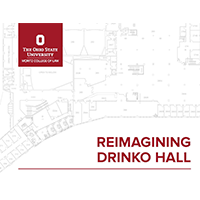
Capital Campaign Strategy: Reimagining Drinko Hall
The Challenge: Mobilizing Philanthropy for Institutional Modernization As the Moritz College of Law embarked on a mission-critical facility modernization, the primary challenge was to translate a complex infrastructure project into a compelling philanthropic opportunity. The campaign required a narrative that focused less on "bricks and mortar" and more on the future of legal education and the student experience.
The Strategy: Architectural Narrative & Stakeholder Alignment I led the strategic conceptualization and branding of the "Reimagining Drinko Hall" campaign. Working in close partnership with senior leadership and external stakeholders, I architected a unified communication ecosystem designed to move prospective donors from awareness to investment.
Executive Execution:
Identity Development: I spearheaded the campaign’s naming and visual identity, ensuring the project felt like a visionary evolution of the college’s legacy rather than a mere renovation.
Multi-Channel Influence: I directed a comprehensive suite of high-touch assets, including a Dean’s strategic appeal, detailed philanthropic prospectuses, and targeted media placements within flagship publications.
Environmental Storytelling: To ensure consistent messaging at high-stakes events, I developed a series of executive presentation frameworks for major auditorium gatherings, turning every touchpoint into a potential donor conversion moment.
The Impact: A Blueprint for Advancement By providing a sophisticated, professional framework for the Dean’s vision, I ensured that the capital campaign was positioned as a hallmark of institutional progress. This project demonstrates my ability to partner with executive leadership to drive the high-level messaging required to fund a modern, world-class academic environment.